

Understanding the Real Cost of Tenant Turnover
Tenant turnover can create significant costs for residential property owners, especially when a rental home requires cleaning, repairs, marketing, inspections, and administrative work between occupants. However, reducing turnover does not necessarily mean investing in expensive renovations every time a tenant moves out. In many Tacoma rental properties, tenants are more concerned with reliability, comfort, communication, and the overall condition of their home than with having the newest finishes available. We focus on identifying the improvements that genuinely affect the tenant experience rather than automatically recommending major remodeling projects. A well-maintained home with responsive management can often retain tenants longer than a heavily renovated property with poor communication or unresolved maintenance concerns. By understanding what residents actually value, property managers can protect owner investments while creating stronger and more stable rental relationships.
Focus on Maintenance Before Major Renovation
Routine maintenance is one of the most effective ways to reduce tenant turnover without over-renovating a rental property. Small problems can become major frustrations when they remain unresolved for extended periods, particularly when they involve plumbing, heating, electrical systems, appliances, doors, windows, or water intrusion. We believe property managers should establish consistent inspection and maintenance practices that identify problems before they interfere with a resident’s daily life. A tenant may tolerate an older kitchen or bathroom when everything works properly, but repeated maintenance failures can quickly change their perception of the entire property. Addressing minor issues promptly also demonstrates that the owner and management team take the resident’s comfort seriously. This approach allows owners to spend money where it has the greatest practical impact instead of directing available funds toward unnecessary cosmetic upgrades.
Improve the Features Tenants Use Every Day
Not every improvement needs to transform the appearance of a Tacoma rental home. Residents interact with certain features every day, including lighting, faucets, cabinet hardware, door locks, heating controls, flooring, appliances, and storage areas. Updating a worn faucet or replacing an unreliable appliance may provide more meaningful value than installing expensive decorative materials throughout the property. We evaluate improvements based on their usefulness, durability, and potential impact on resident satisfaction. Practical upgrades can make an older rental feel cleaner, more functional, and easier to live in without changing its fundamental character. Property owners can therefore achieve a noticeable improvement in tenant experience while maintaining responsible control over renovation expenses.
Make Move-In Experience a Management Priority
The first few days of a tenancy can strongly influence how residents perceive their new home and the people managing it. A property that is clean, functional, documented, and ready for occupancy creates confidence before the tenant has even settled in. We treat the move-in process as an important opportunity to establish expectations and demonstrate professionalism. Clear instructions regarding utilities, maintenance requests, emergency procedures, parking, trash, appliances, and property rules can eliminate unnecessary confusion. A thorough move-in inspection also gives both parties a clear record of the property’s condition and can prevent misunderstandings later. When tenants begin their lease with a positive experience, they are more likely to develop confidence in the management process and view the rental as a place they can comfortably remain for several years.
Communication Can Matter More Than Cosmetic Upgrades
A beautifully renovated home does not automatically produce tenant loyalty if residents struggle to communicate with their property manager. Tenants want to know that maintenance requests will be acknowledged, questions will receive reasonable responses, and important concerns will not disappear into an administrative process. We prioritize consistent communication because responsiveness can have a direct effect on how residents evaluate their overall rental experience. Even when a repair cannot be completed immediately, providing an update can reassure the tenant that the issue is being addressed. Regular communication can also help management identify dissatisfaction before it becomes a decision to move elsewhere. Strong communication therefore becomes a retention strategy that requires organization and attention rather than a large renovation budget.
Improve Energy Efficiency Strategically
Energy costs can influence how residents perceive the affordability and comfort of a rental home. Property managers do not necessarily need to replace every system or completely remodel a property to improve efficiency. Simple improvements such as weatherstripping, efficient lighting, programmable controls, improved insulation in appropriate areas, and properly maintained heating equipment can contribute to a more comfortable living environment. We consider the property’s age, condition, operating costs, and expected return before recommending larger efficiency projects. When an existing component is approaching the end of its useful life, selecting an efficient replacement can provide a natural opportunity for improvement without creating an unnecessary renovation project. Strategic efficiency upgrades can benefit both residents and owners by improving comfort while potentially reducing avoidable operating expenses.
Keep Kitchens Functional Instead of Completely Rebuilding Them
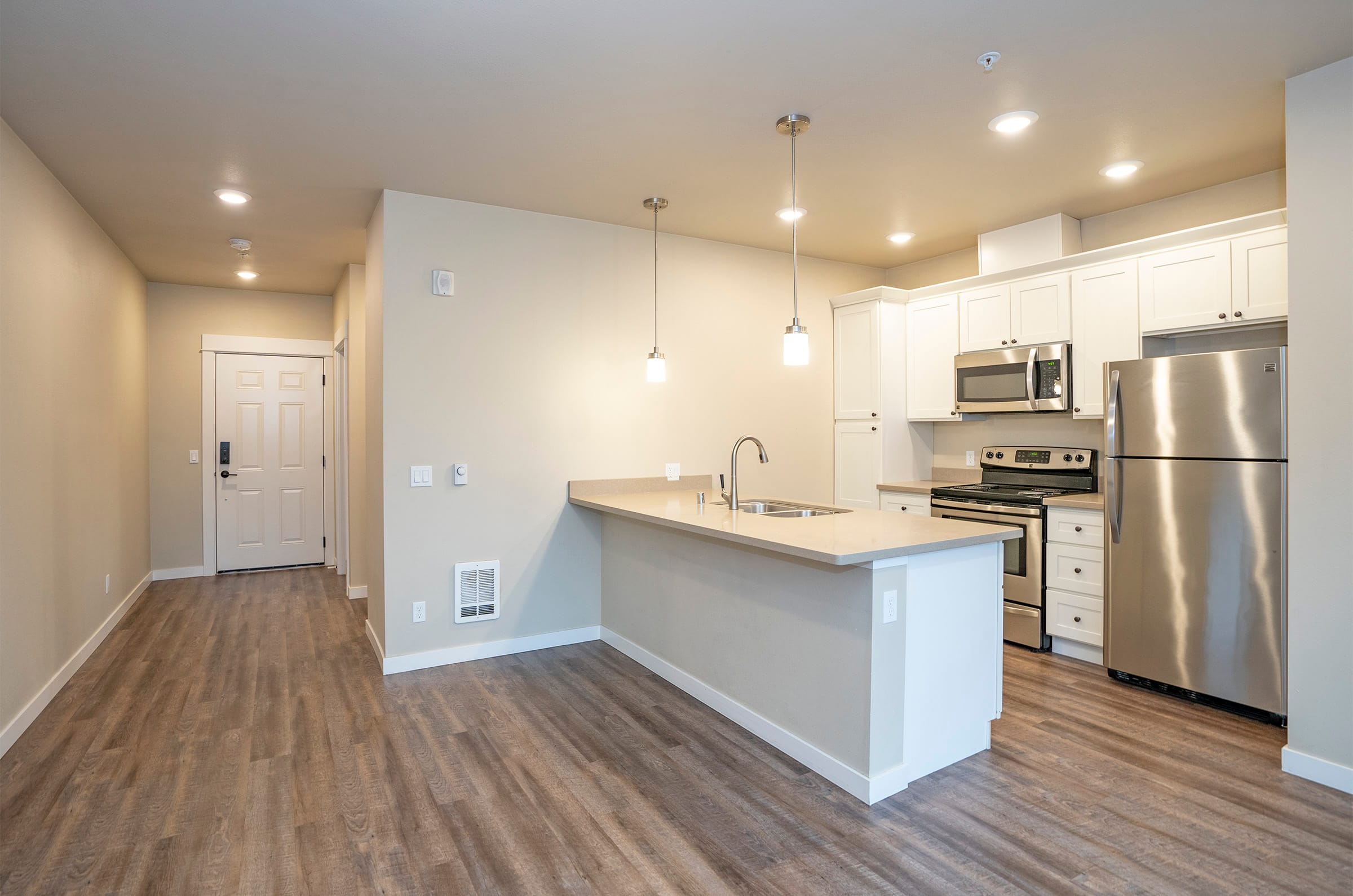
The kitchen is often one of the most visible areas of a rental home, but a complete kitchen renovation is not always necessary to maintain tenant satisfaction. Cabinets that remain structurally sound may only need new hardware, careful cleaning, minor repairs, or refreshed surfaces. Older appliances may be replaced individually when they become unreliable rather than all at once simply because they are not the newest models. We look at functionality first, paying attention to storage, lighting, work surfaces, appliances, plumbing fixtures, and general cleanliness. A kitchen that is dependable and easy to use can remain attractive to tenants even when it does not resemble a newly constructed luxury apartment. This measured approach helps property owners preserve the character of their Tacoma homes while addressing the features that actually influence everyday living.
Maintain Bathrooms With Practical Improvements
Bathrooms can also create unnecessary renovation pressure when property owners assume that tenant retention requires a complete remodel. In many cases, a bathroom can feel significantly better through targeted maintenance and modest improvements. Replacing deteriorated caulking, repairing leaks, improving ventilation, updating fixtures, addressing damaged flooring, and ensuring adequate lighting can produce meaningful results. We recommend evaluating the underlying condition of the bathroom before determining whether a larger renovation is justified. A clean and functional bathroom can provide a positive resident experience even when the tile, cabinetry, or layout reflects the property’s original design. By concentrating on durability, cleanliness, moisture control, and functionality, managers can avoid spending heavily on changes that may not materially improve tenant retention.
Respond Quickly to Maintenance Requests
Speed matters when a maintenance problem affects a tenant’s daily routine. A dripping faucet may seem minor from an owner’s perspective, but repeated unresolved problems can cause residents to feel that their concerns are being ignored. We encourage organized maintenance workflows that allow requests to be received, categorized, assigned, tracked, and completed efficiently. Emergency issues should receive appropriate priority, while routine requests should still receive timely communication and follow-up. After a repair is completed, confirming that the problem has actually been resolved can further strengthen the tenant’s confidence in management. Consistent maintenance service can therefore become one of the strongest tools for reducing turnover without requiring significant changes to the physical property.
Understand Why Tacoma Tenants Leave
Reducing turnover begins with understanding why residents decide not to renew their leases. Some move because of changes in employment, family circumstances, finances, or lifestyle, and these situations may have little connection to the property itself. Other departures may be related to maintenance, communication, rent increases, neighborhood concerns, property condition, or dissatisfaction with management. We review turnover patterns carefully rather than assuming that every vacancy requires another renovation. If several tenants mention the same issue during move-out, that information can reveal a practical improvement opportunity. Tracking these patterns over time allows property managers to distinguish between necessary investment and renovation spending that simply makes a property look newer without addressing the reasons residents leave.
Use Tenant Feedback as a Management Tool
Tenant feedback can provide valuable information that is difficult to obtain through property inspections alone. Residents experience the home differently because they interact with its systems, layout, storage, temperature, appliances, and maintenance needs every day. We encourage property managers and owners to pay attention to recurring comments rather than treating every individual suggestion as a requirement. If multiple residents identify the same inconvenience, it may justify a targeted improvement that delivers greater value than a broad renovation. Feedback can also reveal positive features that should be preserved, such as functional layouts, outdoor space, parking arrangements, natural light, or convenient storage. Listening carefully allows management decisions to be based on actual resident experiences rather than assumptions about what tenants want.
Preserve Character While Improving Condition
Older Tacoma homes can have architectural characteristics that contribute to their appeal, and unnecessary renovations can sometimes remove those qualities without improving the tenant experience. Property managers should distinguish between deterioration that needs correction and age that simply reflects the character of the home. We evaluate whether an existing feature is safe, functional, durable, and appropriate before recommending its replacement. A well-maintained original feature can sometimes be more valuable than a generic modern replacement that does not fit the property. Thoughtful property management means improving the areas that genuinely require attention while preserving features that contribute to the home’s identity. This balanced strategy can help owners control capital expenses while keeping rental homes comfortable and appealing to prospective residents.
Make Renewals Easier for Good Tenants
Tenant retention is also influenced by how simple and predictable the renewal process feels. Residents who have had a positive experience may still become frustrated if renewal communication arrives too late or if they do not understand their available options. We believe renewal discussions should begin early enough to provide residents with clarity and allow owners to make informed decisions about the property. A straightforward process can include clear information about lease terms, rental rates, required documentation, and important dates. When residents feel respected and properly informed, they are more likely to consider renewing rather than automatically exploring alternatives. Retaining a responsible tenant can also reduce vacancy costs, turnover expenses, marketing time, and the uncertainty associated with bringing a new resident into the property.
Avoid Renovating Based Only on Competition
Comparing a rental property with newly renovated listings can lead owners toward unnecessary spending. A nearby property with modern finishes may attract attention, but it does not automatically mean every competing rental needs identical upgrades. We assess the property’s target tenant, location, condition, rental positioning, operating costs, and historical performance before recommending renovation work. A property can remain competitive through reliability, cleanliness, functional amenities, responsive management, and appropriate pricing. Renovation should be connected to a measurable business objective rather than undertaken simply because another property has newer countertops or flooring. This approach helps owners maintain a realistic investment strategy while still keeping their homes attractive within the local rental market.
Build a Preventive Property Management Strategy
Preventive management can reduce both tenant dissatisfaction and the need for expensive corrective work. Regular inspections, seasonal maintenance, appliance monitoring, exterior upkeep, HVAC servicing, plumbing checks, and prompt repair of developing problems can extend the useful life of many property components. We use preventive thinking to identify potential issues before they become major disruptions for residents or costly projects for owners. This approach also makes capital planning more predictable because managers can anticipate replacements rather than responding to unexpected failures. A property that receives consistent attention can often remain in good condition without undergoing frequent cosmetic transformations. Over time, preventive management can create a more stable rental experience while protecting the owner’s investment.
Balance Tenant Satisfaction With Owner Investment
The goal of reducing turnover is not to create a perfect home with unlimited spending. The goal is to create a property where residents feel comfortable, respected, and confident that their concerns will be handled properly. We balance tenant expectations with the owner’s financial objectives by prioritizing improvements according to necessity, durability, tenant impact, and long-term value. This means distinguishing between repairs that should happen immediately, upgrades that can be planned, and renovations that may not be necessary at all. It also means recognizing that excellent management can sometimes deliver more retention value than an expensive cosmetic project. Encompass Property Management takes this balanced approach by focusing on the complete rental experience rather than assuming that every turnover problem can be solved through renovation.
Create Long-Term Value Through Better Management
Reducing tenant turnover is ultimately about creating a rental environment that residents want to continue calling home. A well-managed Tacoma property does not have to feature the newest finishes to remain competitive when it is clean, safe, functional, properly maintained, and supported by responsive management. We focus on practical improvements that make a meaningful difference while avoiding unnecessary renovation expenses that may provide limited returns. By combining preventive maintenance, clear communication, targeted upgrades, thoughtful renewal practices, and consistent attention to tenant feedback, property managers can build stronger resident relationships. These strategies can help owners reduce vacancy periods while protecting the long-term condition and financial performance of their properties. Encompass Property Management helps property owners approach tenant retention as an ongoing management responsibility rather than a renovation problem that requires constant remodeling.

Join The Discussion