


Reframing Urban Renting Through Lifestyle Zoning: A Deep Dive into 6th Avenue Rentals in Tacoma
Urban rental markets are often discussed in terms of pricing trends, vacancy rates, and square footage. We take a different lens. Instead of treating rentals as static assets, we explore them as part of a living urban ecosystem. Nowhere is this perspective more relevant than along 6th Avenue in Tacoma, where residential demand is shaped not just by housing supply, but by micro lifestyle zoning.
What Is Lifestyle Zoning and Why It Matters
Lifestyle zoning refers to how neighborhoods organically segment themselves based on behavior patterns rather than formal zoning laws. Along 6th Avenue, this manifests as a dynamic corridor where entertainment, dining, remote work culture, and community interaction intersect. Renters are no longer choosing just a unit. They are choosing a rhythm of life.
We see tenants prioritizing walkability, late night accessibility, creative spaces, and social density over traditional suburban metrics like lot size or parking availability. This shift is redefining what makes a rental desirable.
The 6th Avenue Micro Economy
The rental appeal of 6th Avenue is anchored in its hyperlocal economy. Independent businesses, boutique retail, and a dense concentration of eateries create a self sustaining ecosystem. For renters, this reduces reliance on long commutes and increases perceived value.
From a property management standpoint, this creates a unique operational advantage. Units near active micro economies tend to experience lower vacancy cycles and stronger tenant retention. However, they also require more nuanced tenant screening, as the demographic often includes freelancers, creatives, and hybrid workers with nontraditional income structures.
Tenant Psychology in High Activity Corridors
Renters in high activity zones like 6th Avenue behave differently compared to those in quieter residential pockets. Decision drivers include:
• Proximity to social infrastructure
• Noise tolerance thresholds
• Preference for character over uniformity
• Flexibility in lease terms
We have observed that tenants here often accept slightly higher rents in exchange for experiential value. This is not purely economic decision making. It is lifestyle investment.
Property Positioning Strategy
Managing rentals in this corridor requires a positioning strategy that aligns with tenant expectations. Standard listing language is no longer sufficient. Instead, narrative driven marketing becomes critical.
For example, instead of emphasizing square footage, we highlight:
• Walkability scores
• Proximity to cultural hotspots
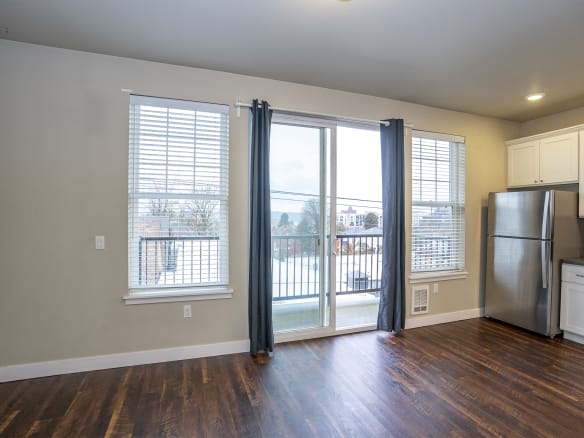
• Natural light and design character
• Suitability for remote work setups
This approach attracts tenants who are aligned with the environment, which reduces turnover and improves long term occupancy stability.
Operational Complexities and How We Address Them
High demand areas bring operational complexity. These include:
• Increased maintenance frequency due to higher tenant turnover cycles
• Noise complaints and community balance management
• Parking constraints
• Compliance with evolving local regulations
We approach these challenges through proactive systems. Predictive maintenance scheduling, clear tenant communication frameworks, and localized compliance tracking allow us to maintain consistency without compromising tenant experience.
The Future of 6th Avenue Rentals
The evolution of rental demand along 6th Avenue reflects a broader shift in urban living. As remote and hybrid work models persist, more tenants are prioritizing vibrant, self contained neighborhoods over traditional commuter suburbs.
This means that rental properties in such corridors are no longer just housing units. They are integrated lifestyle products. Owners who recognize this shift are better positioned to optimize both yield and tenant satisfaction.
Our Approach at Encompass Property Management
At Encompass Property Management, we align property strategy with real world tenant behavior rather than outdated assumptions. Our focus is on creating rental ecosystems that function efficiently within their specific urban context.
We do not treat 6th Avenue as just another location. We treat it as a distinct rental micro market with its own demand signals, tenant psychology, and operational requirements. This allows us to deliver stronger outcomes for both property owners and residents.
Closing Perspective
6th Avenue in Tacoma represents more than a desirable rental location. It is a case study in how urban living is being redefined. When rentals are positioned within the framework of lifestyle zoning, they become more resilient, more competitive, and ultimately more valuable.
Understanding this shift is not optional. It is essential for anyone looking to succeed in modern property management.

Join The Discussion